

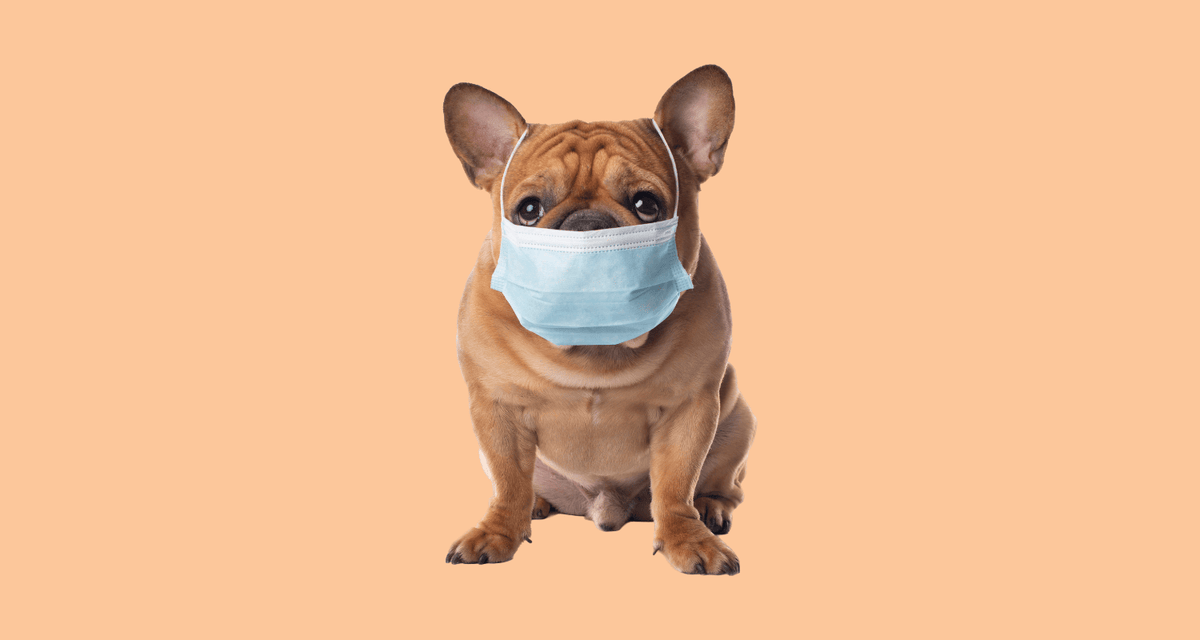
Dogs don’t get human colds, but they can develop respiratory infections that cause similar symptoms.
Most cases are mild and resolve with rest and supportive care, but some illnesses, such as kennel cough or canine influenza, are more contagious and require closer monitoring.
Knowing when to manage at home and when to seek veterinary advice is key to protecting your dog’s health.
When your dog starts sneezing, snuffling or coughing, it’s natural to worry. Many owners ask the same question: can dogs get colds as humans do? The answer isn’t as simple as yes or no.
Dogs don’t catch the human common cold, but they can develop respiratory infections that look and feel very similar. These illnesses often cause cold-like symptoms such as a runny nose, watery eyes, coughing and lethargy. In most cases, they’re mild, but sometimes they can develop into something more serious, especially in puppies, older dogs or those with existing health conditions.
Understanding the difference between a mild dog “cold” and a more concerning respiratory illness can help you act early and keep your dog comfortable and safe.
Jump Ahead
Can Dogs Get Colds Like Humans? What Causes Cold-Like Symptoms in Dogs? Common Symptoms of a Dog Cold Can Dogs Get the Flu? Can Dogs Catch Colds From Humans? How Do Dogs Catch Respiratory Infections? What Should You Do If Your Dog Has a Cold? How to Reduce the Risk of Colds in Dogs When Is a Vet Visit Necessary? Frequently Asked Questions
Can Dogs Get Colds Like Humans?
Dogs do not catch the same viruses that cause human colds. The rhinoviruses and seasonal flu viruses that affect people are largely species-specific and don’t infect dogs.
However, dogs do get upper respiratory infections caused by canine-specific viruses and bacteria. These infections affect the nose, throat, and airways, producing symptoms that closely resemble those of a human cold. This is why people often say their dog “has a cold”, even though the cause is different.
Veterinary professionals often group these conditions under terms such as canine upper respiratory disease or infectious respiratory disease complex. They range from very mild to more contagious illnesses such as kennel cough.
What Causes Cold-Like Symptoms in Dogs?
Several different pathogens can be responsible, and sometimes more than one is involved at the same time.
Viral infections are common causes. Canine parainfluenza, canine adenovirus and canine respiratory coronavirus can all irritate the upper airways and trigger sneezing, coughing and nasal discharge. These viruses are unrelated to human cold viruses, despite the similar symptoms.
Bacterial infections also play a role, particularly Bordetella bronchiseptica, which is one of the main contributors to kennel cough. Kennel cough is especially common in dogs that mix with others at kennels, daycare, training classes or busy parks.
In some cases, what looks like a cold isn’t an infection at all. Allergies, inhaled irritants, foreign objects in the nose, parasites such as lungworm, or even heart disease can cause coughing and breathing changes. This is why persistent or worsening symptoms should always be checked by a vet.

Common Symptoms of a Dog Cold
Cold-like illnesses in dogs usually develop gradually and may include sneezing, a runny or congested nose, watery eyes and coughing. Many dogs also appear more tired than usual and may sleep more or show less interest in food.
Most dogs remain bright and alert, even if they’re a little under the weather. If your dog is still eating, drinking and responding normally, this is often reassuring.
Symptoms typically last a few days to around a week for mild infections. Some dogs may cough for longer, particularly with kennel cough, but they often otherwise feel well.
Can Dogs Get the Flu?
Yes, dogs can get canine influenza, often referred to as dog flu. This is different from human flu and is caused by influenza viruses adapted specifically to dogs.
Dog flu can cause more pronounced symptoms than a simple cold, including fever, persistent coughing, lethargy and nasal discharge. Some dogs recover quickly, while others take several weeks to fully improve. It is also more contagious than a typical mild respiratory infection.
Can Dogs Catch Colds From Humans?
No. Dogs cannot catch the common cold from humans, and humans do not catch dog colds from dogs. While there are rare examples of viruses moving between species, these are exceptions rather than the rule. Everyday colds and most flu viruses do not pass between people and dogs.
That said, good hygiene is always sensible. Washing your hands before handling food, bowls, or toys is helpful, especially if anyone in the household is unwell.

How Do Dogs Catch Respiratory Infections?
Most dog colds and respiratory infections spread from dog to dog. They’re passed through close contact, airborne droplets from coughing and sneezing, or shared surfaces such as bowls, toys and bedding.
Places where many dogs gather, such as kennels, grooming salons, training classes and dog parks, increase the risk of exposure. This doesn’t mean these activities should be avoided altogether, but it does explain why infections are more common in social dogs.
What Should You Do If Your Dog Has a Cold?
In most cases, mild cold-like symptoms in dogs are managed with supportive care rather than medication. Unlike bacterial infections, many canine respiratory illnesses are viral and must run their course while the dog’s immune system responds.
Rest is essential. Dogs showing signs such as sneezing, coughing or lethargy should have reduced exercise until they are fully recovered. Short, gentle toilet breaks are preferable to long walks, particularly in cold or damp conditions. Providing a warm, quiet environment allows the body to focus energy on recovery.
Hydration and nutrition are equally important. Ensure your dog has constant access to fresh water, as congestion and fever can increase fluid needs. Appetite may dip slightly, but dogs should continue eating. If your dog seems reluctant, warming food slightly can help release aromas and encourage interest without changing their diet.
Most uncomplicated colds resolve within a few days to a week. However, veterinary advice should be sought if symptoms worsen, persist beyond a few days, or include more serious signs such as laboured breathing, a persistent cough, high fever, nasal discharge that is thick or coloured, or marked lethargy. Puppies, senior dogs and those with underlying health conditions are more vulnerable and may require earlier intervention.
Importantly, human cold medications should never be given to dogs, as many contain ingredients that are toxic to pets. Any treatment beyond basic supportive care should always be guided by a veterinarian.
How to Reduce the Risk of Colds in Dogs
While it’s not always possible to prevent cold-like illnesses entirely, there are several practical steps dog owners can take to reduce the risk and support their dog’s natural defences. Most respiratory infections spread more easily when dogs are run down, stressed, or exposed to sudden environmental changes, particularly during colder months.
Maintaining good overall health is one of the most effective protective measures. Feeding a complete, balanced diet helps ensure your dog receives the nutrients needed to support immune function, skin health and energy levels. Some owners also choose to include daily wellbeing supplements as part of their dog’s routine, particularly those designed to support general health across multiple systems such as immunity, digestion and skin. These supplements are not a replacement for veterinary care, but they can play a supportive role in maintaining resilience year-round.
Environmental management also matters. Keeping your dog warm and dry after walks, especially in cold or wet weather, reduces stress on the immune system. Wet coats should be towel-dried promptly, and dogs with shorter coats may benefit from a well-fitted coat during winter walks. At home, ensure your dog has a draught-free, comfortable resting area away from cold floors or external doors.
Good hygiene helps limit exposure to infectious agents. Regularly washing bedding, food bowls and toys reduces the build-up of bacteria and viruses. Avoid close contact with dogs showing signs of respiratory illness, particularly in high-traffic areas such as dog parks, training classes or boarding facilities.
Routine veterinary care also plays a role in prevention. Keeping vaccinations up to date, including those that protect against kennel cough where recommended, helps reduce the likelihood of respiratory infections that can mimic or worsen cold-like symptoms.

When Is a Vet Visit Necessary?
While most mild respiratory infections resolve on their own, veterinary advice is essential if symptoms are severe, persistent or worsening.
You should contact your vet if your dog has difficulty breathing, stops eating or drinking, develops a fever, becomes unusually lethargic, or if coughing lasts longer than a week.
Puppies, senior dogs and dogs with underlying health conditions are more vulnerable to complications and should be assessed sooner rather than later.
Your vet can rule out more serious conditions, recommend supportive treatments, or prescribe medication if a bacterial infection or complication is suspected.
While we strive to provide accurate and up-to-date information, this blog is for informational purposes only and is not intended as a substitute for professional veterinary advice, diagnosis, or treatment. Always consult a licensed veterinarian for personalised guidance regarding your pet's health. We are not responsible for any decisions or actions taken based on the information provided in this blog.
Frequently Asked Questions
Can dogs get a cold like humans?
No, dogs don’t catch human cold viruses, but they can develop canine respiratory infections that look very similar.
How long does a dog cold last?
Mild cases often improve within a week, though coughing may linger longer with some infections.
Can puppies get colds?
Yes, and they may be more vulnerable to complications. Always monitor puppies closely and seek veterinary advice early.
Is kennel cough the same as a cold?
Kennel cough is one cause of cold-like symptoms, but is more contagious and often causes a distinctive cough.
Should I isolate my dog if they’re unwell?
Yes. Keeping your dog away from others while symptomatic helps prevent spreading infection.


